Why we do this
It started with a phone that never rang back.
Over five months, I called the specialist I'd been assigned to — and been a patient of for 10 years — at a well-known GTA hospital numerous times, leaving a message each time, trying to reach them about my own care. No one ever called back.
The truth is, I've been living with my condition for 17 years. I managed it with diet and lifestyle and did my utmost to keep any worsening at bay. I had three consultations with my specialist during this time, and we agreed on a wait-and-see approach. It was something I was comfortable with — until two years ago, when the stress of day-to-day routines and work schedules finally caught up with me and I couldn't keep up. I had to look for a solution to my symptoms, and a long-term one, as my condition started affecting my health significantly. I weighed the options I was given at home and realized that while one issue would be resolved, another would not — and doctors would have to manage it with long-term medication. That was not the solution I wanted.
Then I watched my 70-year-old mother go through the removal of an otherwise healthy organ. She spent two hours in emergency in acute pain before anyone was able to give her something for it, then went through an emergency surgery — and I am grateful we still have timely access to that, and that our healthcare staff work tirelessly around the clock to keep up. But my mom was sent home in under twelve hours, to recover at home and wonder how she should move forward. Somewhere in those months I understood something I didn't want to admit: the care I needed, in the time I needed it, wasn't going to come.
So I looked outward. The United States offered a similar procedure, quoted to me at around $45,000 — plus two to three weeks staying there, plus the reality that if anything went wrong, an emergency on American soil is its own financial catastrophe. A friend of mine spent two years advocating for herself, in real pain that took away her quality of life and left her hopeless at times, and was finally forced to pay $25,000 out of pocket for surgery at a private facility in Quebec — money she didn't have and shouldn't have had to spend, since the surgery exists in Ontario, but with wait times of two years and a medical opinion she didn't agree with.
China changed the math for me entirely. Cutting-edge equipment. A hospital that's a member of the Mayo Clinic Care Network. Access measured in hours and days, not months and years. And the part almost no one prepares you for: the testing. At home, imaging and diagnostics mean appointment after appointment, months of waiting, moving through a system one slow step at a time. Where I went, it was essentially one visit — the scans, the tests, the results, handled in a day. I also experienced an emergency visit to the same hospital, and it was incredibly fast and efficient: my tests, results, and a specialist visit were arranged within one hour, and cost me $37 CAD. I was absolutely stunned that this still exists — unfortunately not in Canada, and not accessible to the majority of Canadians. Americans pay significantly for that care; in China it's a fraction of what you'd pay in the U.S.
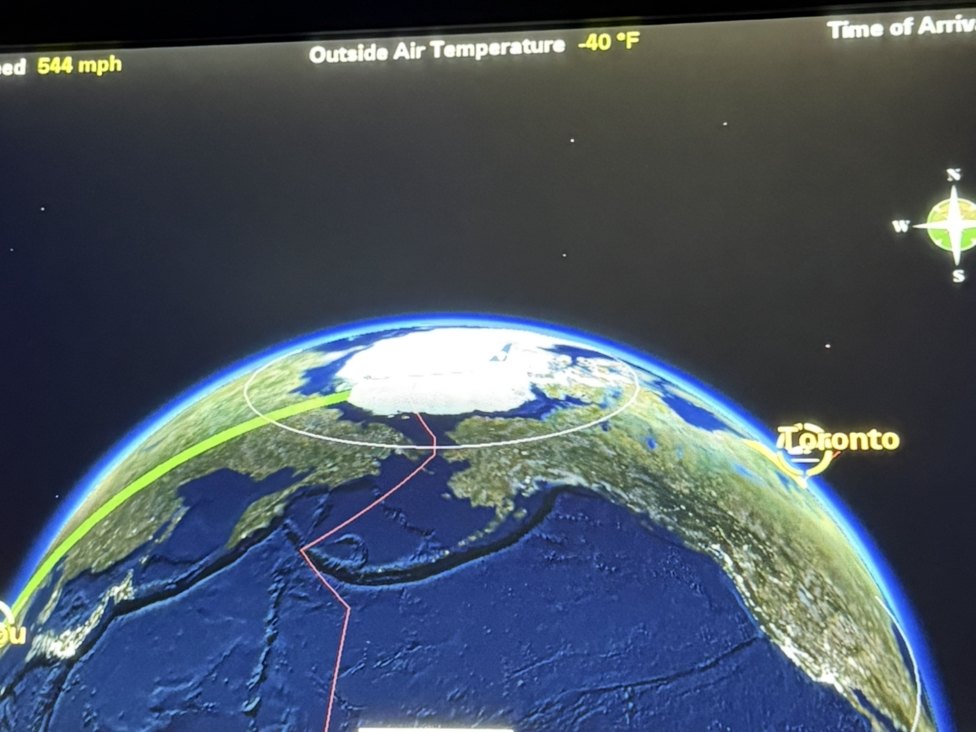
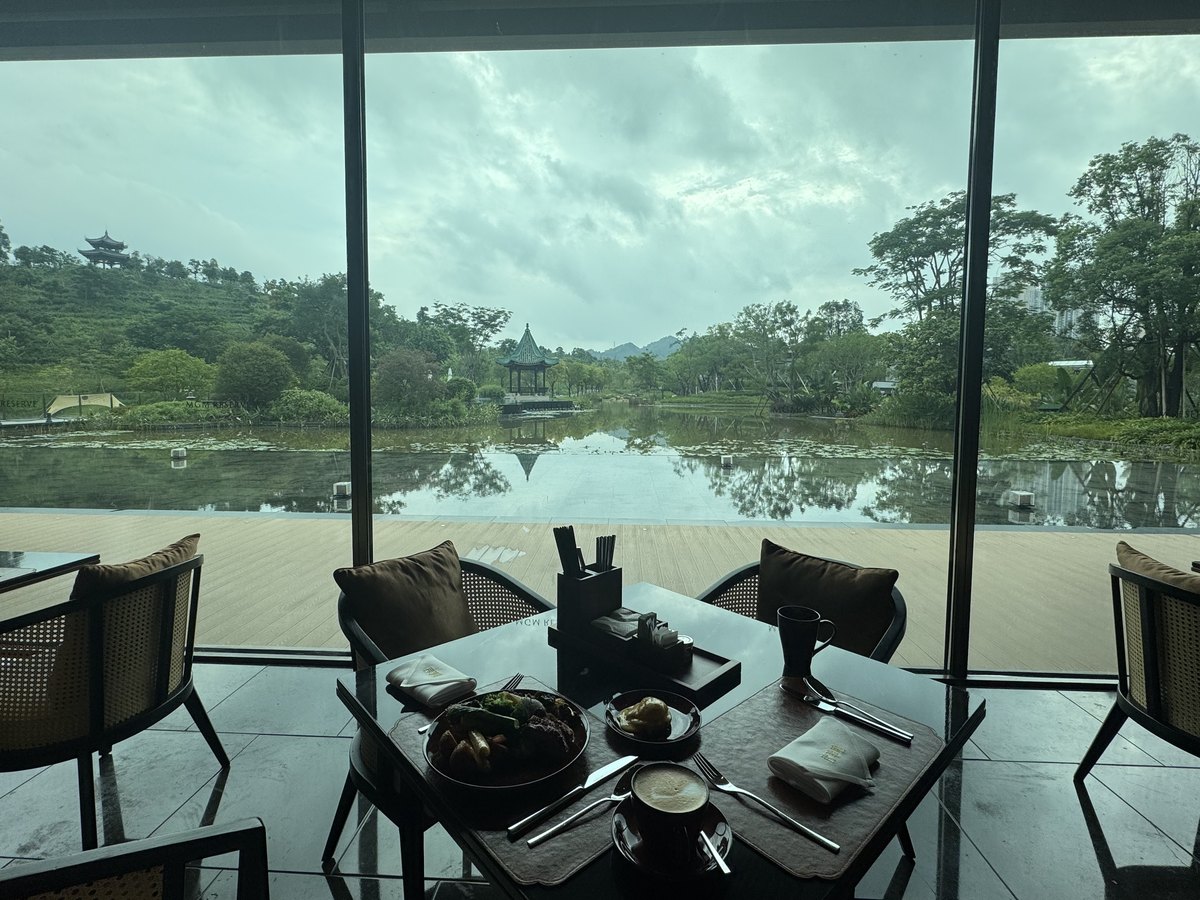
I did all of that research alone, trying to work with a facilitator from China who sometimes felt elusive and confusing, with limited support while I was still in Canada trying to figure out whether I was ready to fly overseas for surgery. I had no experience of what China is, what the services and hospitality are like, no experience of their medical system. I took a leap of faith to set it up with the facilitators, brought my whole family across the world, paid for the flights and the hotels, tried to use a translator app everywhere I went, and navigated a last-minute hospital change I was never given a straight answer about. I came home well — my surgery went well, my recovery was monitored, and while my mom left hospital in 12 hours, I stayed four days post-recovery, which was the norm in China for a minor surgery like mine. The people were kind, the medical staff caring and attentive — a doctor visiting you seven times in a night to make sure you're okay is rare in our system. The experience ended up being life-changing, and made me realize that we as Canadians still have options. What I'm certain of is that no one should have to do it the half-blind, uncertain way I did.
That's the whole reason Mālama & Co. exists. I'm not a doctor, and we don't give medical advice. What we give you is the map I had to draw myself — so your journey starts with everything I wish I'd had.